
Culture · Music
The music of Cape Verde
Ten islands, and a music the whole world knows: Cesária Évora’s morna, coladeira, funaná and batuku. Here you’ll find the rhythms, the voices, the songs to start with and where to hear live music on Boa Vista.
In shortThe signature music of Cape Verde is morna: slow and melancholic, on UNESCO’s heritage list since 2019 and made famous around the world by Cesária Évora. Alongside morna, people dance to coladeira, funaná and batuku. On Boa Vista you can hear live music in the bars and restaurants of Sal Rei and at the beach clubs.
World heritage
Morna, the soul music of Cape Verde
Morna is Cape Verde’s most famous song form: slow, melancholic, played on guitar, cavaquinho (a small four-string guitar) and violin. It sings of love, the sea, leaving home and “sodade”, the longing of those who are far from home. In December 2019 UNESCO declared it part of the Intangible Cultural Heritage of Humanity.
It resembles Portuguese fado and Brazilian modinha, but it has a sound all of its own. The voice that made it known around the world is Cesária Évora, “the barefoot diva” from Mindelo. Among its great songwriters are Eugénio Tavares, from the island of Brava, and B. Leza.
- Instruments
- guitar, cavaquinho, violin
- Language
- Cape Verdean Creole (criolo)
- Key word
- “sodade”, longing
- UNESCO
- December 2019
The rhythms
Not just morna: the rhythms Cape Verde dances to
Cape Verdean music blends African, Portuguese and Brazilian roots. Every island has its favourite rhythms, and at every party you’ll hear several of them.
Born from morna, but faster and more cheerful: it’s danced in couples and the lyrics are often tongue-in-cheek.
The music of the fields of Santiago: accordion and the “ferrinho”, an iron bar scraped with a knife. Fast and irresistible; for years it was frowned upon by the Portuguese.
Singing and percussion by the women of Santiago, who beat out the rhythm on a cloth held between their knees. Batuku, too, was banned for a long time in the colonial era.
The music of Santiago’s popular festivals, with drums and conch shells, tied to processions and village traditions.
They came from Europe and became Cape Verdean: they are still danced at the most traditional festivals, especially on Santo Antão.
The rhythms of the younger generation, danced in couples in the clubs until late, with influences from the Caribbean.
The voices
Artists worth knowing
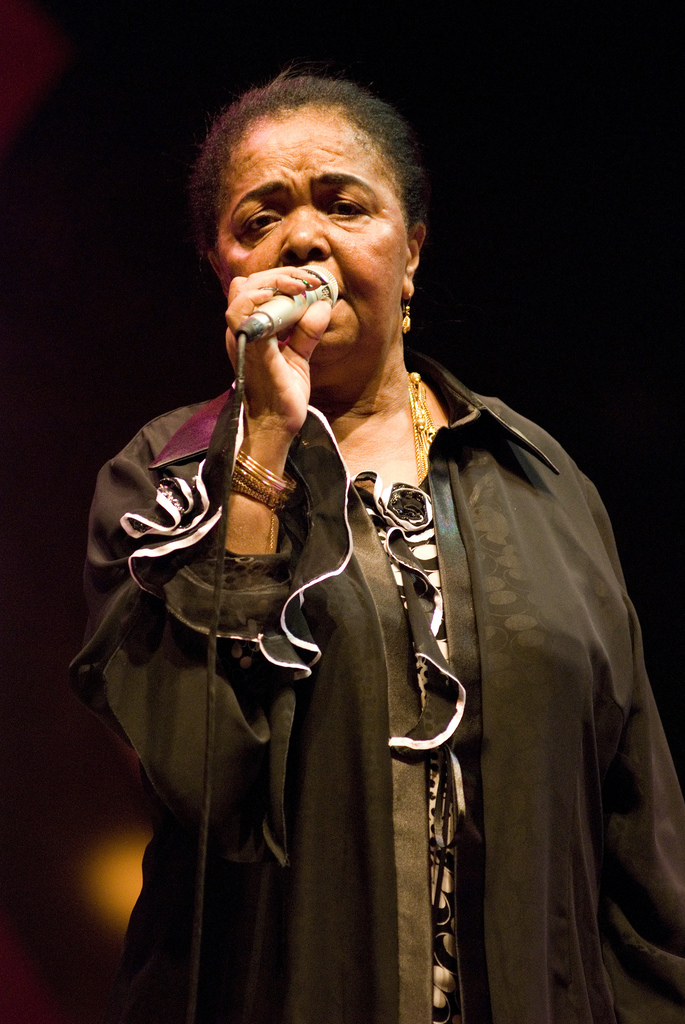
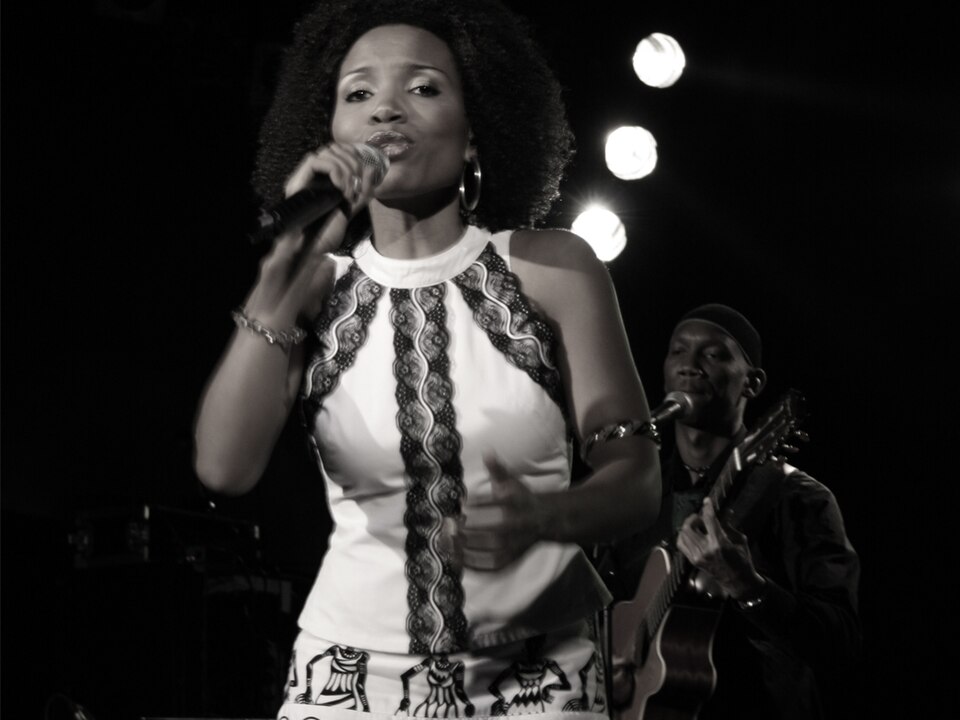
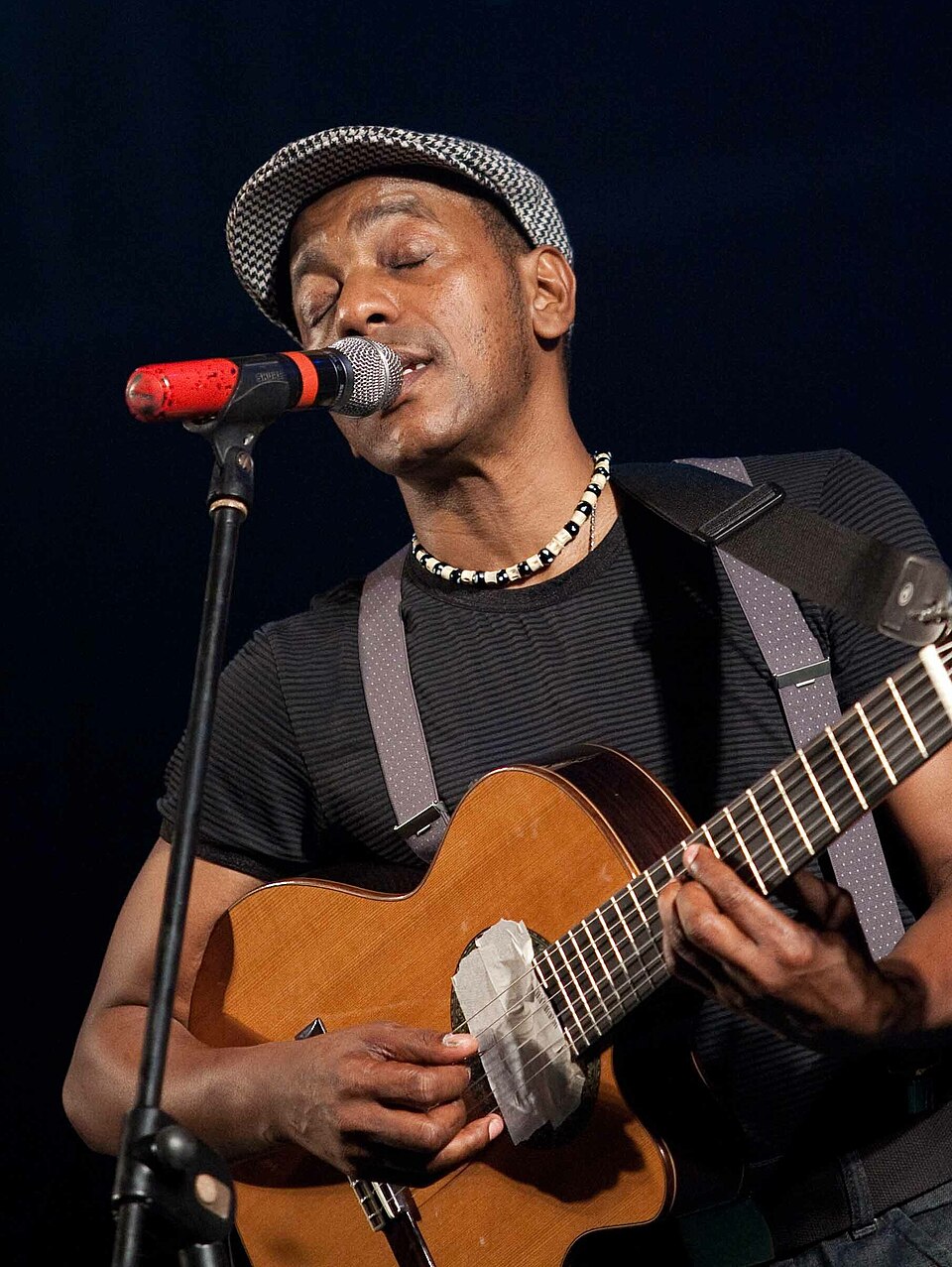
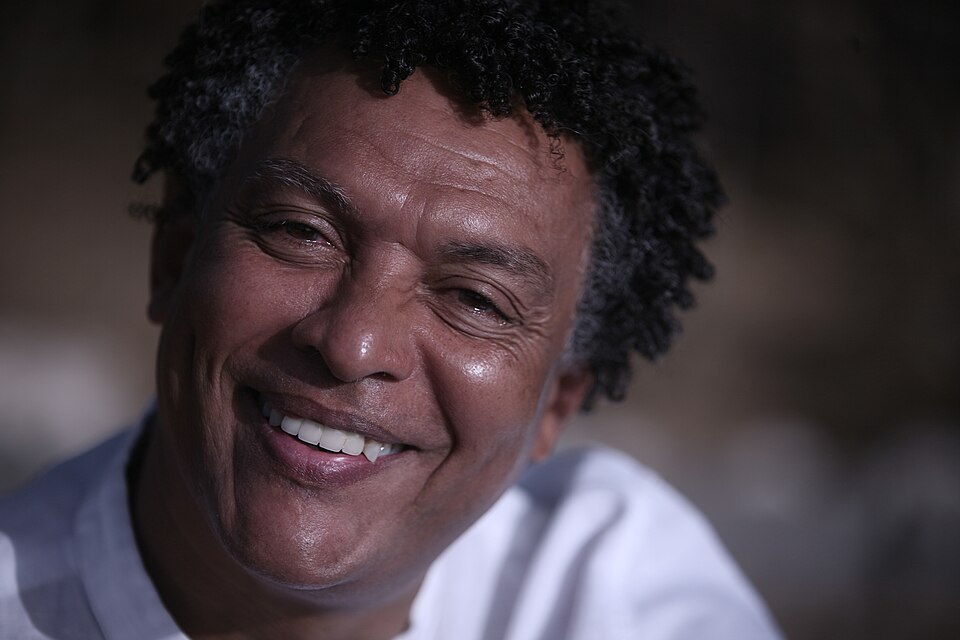
Cesária Évora opened the way to the world, winning a Grammy in 2004. Since then many Cape Verdean voices have played at international festivals.


Where to start
Songs to get you into the music of Cape Verde
If this music is new to you, start here: press ▶ to hear a short clip.
 SodadeCesária EvoraThe song that made her famous worldwideListen to the full song on Apple Music ↗
 Petit paysCesária EvoraDedicated to her small homelandListen to the full song on Apple Music ↗
- AngolaCesária EvoraHer most danced-to coladeiraListen to the full song on Apple Music ↗
 Mar AzulCesária EvoraThe sea of Cape Verde set to musicListen to the full song on Apple Music ↗
 Carnaval de Sao VícenteCesária EvoraThe carnival of MindeloListen to the full song on Apple Music ↗
 Na Ri NaLuraThe rhythm of SantiagoListen to the full song on Apple Music ↗
 AfetoMayra AndradeCape Verde todayListen to the full song on Apple Music ↗
 Dança Ma Mi CriolaTito ParisA classic to dance toListen to the full song on Apple Music ↗
 Nta KonsiguiElida AlmeidaThe new generationListen to the full song on Apple Music ↗
Press ▶ to listen to a 30-second preview provided by Apple Music; the link takes you to the full track.
Cape Verde and Italy
Capo Verde, Terra d’Amore: Cesária Évora in Italian
The songs of Cesária Évora and Cape Verde’s great songwriters sung in Italian, in duets with Morandi, Vanoni, Paoli and others: a project by Alberto Zeppieri, with the proceeds going to the UN World Food Programme.
On the island
Where to hear live music on Boa Vista
On Boa Vista you can hear live music in the bars and restaurants of Sal Rei, at beach club evenings and, in summer, during the island’s festivals. A few venues with regular music nights, according to their official pages in October 2026: it’s best to check before you go.
Sal Rei, by the sea: live music on Thursdays at 6pm.
Praia de Chaves: evenings with dinner, live music and a bonfire on the beach, with transfers from the hotels.
Praia de Estoril: sunset evenings, reggae and African shows.
All the restaurants on Boa Vista · Map of the island
Frequently asked questions about the music of Cape Verde
What is the traditional music of Cape Verde?
The most famous is morna, slow and melancholic, on UNESCO’s heritage list since 2019. Coladeira, funaná and batuku are also very popular.
What does “sodade” mean?
It is the longing of someone far from home or from a loved one. It is the word that sums up morna, and the title of Cesária Évora’s most famous song.
Who was Cesária Évora?
The most famous Cape Verdean singer in the world, born in Mindelo, on the island of São Vicente. She was known as “the barefoot diva” and won a Grammy in 2004.
Where can you hear live music on Boa Vista?
In the bars, restaurants and beach clubs of Sal Rei and the nearby beaches, for example Bowlavista on Thursdays, Pérola d’Chaves and Morabeza on their music nights, and in summer during the island’s festivals.